
Private Wastewater Systems Installed Correctly
Septic Installation in Jasper for new construction and undeveloped rural properties
Homes, mobile homes, and farm structures throughout North Georgia rely on private septic systems where municipal sewer lines do not reach. Septic installation involves coordinating excavation, tank placement, drain field construction, and soil testing to create a wastewater system that functions reliably without surfacing effluent or backing up into plumbing fixtures. Blackstone N Sons installs septic systems for new construction projects where proper planning and execution prevent costly repairs, failed inspections, and long-term performance problems tied to installation shortcuts.
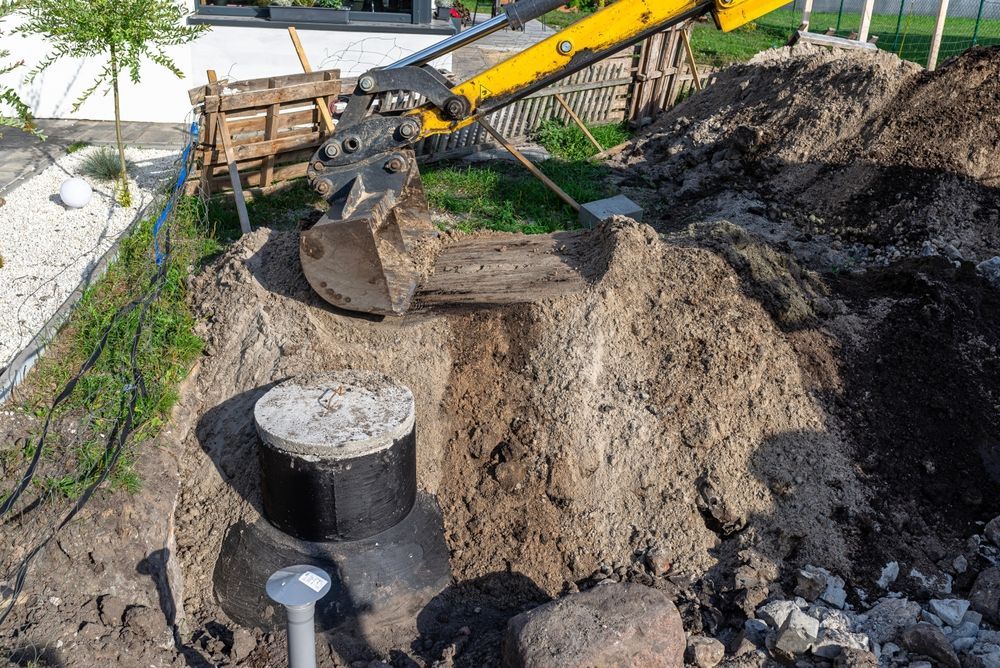
The process includes excavating the tank hole to match engineered depth and grade, setting tanks level on compacted bedding, trenching distribution lines at consistent slopes, and backfilling with specified materials that allow effluent absorption. Each step must meet county health department standards and soil suitability requirements verified through percolation testing before installation begins.
Contact us to receive a septic installation estimate based on your property layout and soil conditions.
What Proper Septic Installation Requires
Installation begins with locating the septic design on the property, verifying clearances from wells and property lines, and excavating the tank location to the depth specified by the system designer. Tanks are set on gravel or sand bedding that prevents settling and keeps inlet and outlet pipes at correct elevations. Distribution lines are trenched at slopes between one and two percent—too flat and effluent pools in pipes, too steep and liquid outruns solids, causing clogs. Gravel surrounds the drain lines to create absorption area, and permeable fabric prevents soil from migrating into voids and reducing capacity.
After installation is complete and inspections pass, wastewater flows from the house into the tank where solids settle and liquids discharge into the drain field for soil absorption. Toilets flush without backups, drains empty normally, and no wet spots or odors appear above the drain field location. The system operates invisibly, requiring only periodic tank pumping to remove accumulated solids that do not decompose.
Septic systems for homes differ from systems for farms or shops because residential loading involves consistent daily flow, while agricultural buildings may have intermittent use or higher volumes during specific seasons. Soil type determines drain field size—clay soils absorb slowly and require more trench length than sandy soils. Lot slope affects whether gravity systems work or whether pump tanks are needed to lift effluent uphill to suitable drain field locations.
What Property Owners Usually Ask
Clients planning construction on rural lots typically ask about septic system sizing, soil testing, and installation timelines before breaking ground.
What determines where a septic system can be located on a property?
Setbacks from wells, property lines, streams, and buildings are regulated by county health departments, and soil must pass percolation tests proving adequate absorption capacity at the proposed drain field location.
How does soil type in Jasper affect septic installation?
Clay-heavy soils common in Pickens County absorb effluent slowly, requiring larger drain field areas or alternative systems such as mound designs that build absorption area above natural grade.
When does septic installation happen during the construction process?
Installation occurs after site clearing and rough grading but before final landscaping, so excavation equipment can access the site without damaging completed improvements and tanks can be set before driveways are paved.
Why do some properties need advanced septic systems instead of conventional tanks?
Shallow bedrock, high water tables, or soils that fail percolation testing require engineered systems with pumps, sand filters, or aerobic treatment units that process effluent more intensively before discharge.
What happens if a septic system is installed without proper slope in the drain lines?
Effluent does not distribute evenly across the absorption area, causing some sections to saturate and fail while others remain dry, eventually leading to surfacing wastewater and system replacement.
Blackstone N Sons installs septic systems with dependable workmanship and attention to installation standards throughout Pickens County. Arrange a consultation to discuss septic solutions for your property and review design requirements.